Objective
The primary objective of Chikitsa was to revolutionize healthcare delivery by addressing the following key areas:
Streamlining Administrative Tasks: Reduce the burden of manual processes in hospitals and clinics.
Improving Patient Outcomes: Enhance the quality of patient care through better data management and analytics.
Operational Efficiency: Optimize workflows and decision-making processes for healthcare providers, particularly focusing on the needs of doctors.
Design Process
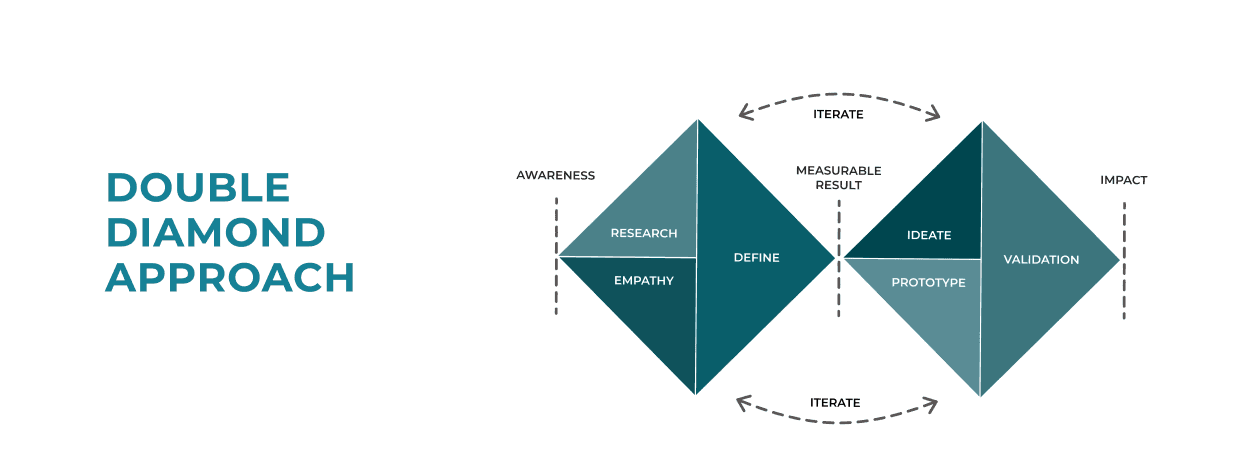
1. Research and Discovery The design process began with extensive research to understand the challenges faced by doctors in their daily workflows. This involved:
Conducting interviews with doctors from various specialties to gather insights into their needs and pain points.
Observing doctors during their consultations to understand their interactions with existing systems.
Reviewing industry reports and case studies on the use of digital tools in healthcare.
2. User Personas and Journey Mapping Based on the research findings, we created detailed user personas representing doctors from different specialties. Journey mapping helped us visualize the doctor’s experience and identify critical touchpoints where Chikitsa could add value, particularly in creating prescriptions and accessing patient records.
3. Conceptual Design and Ideation During the ideation phase, we explored various design concepts to address the identified pain points for doctors. Key features were conceptualized, such as:
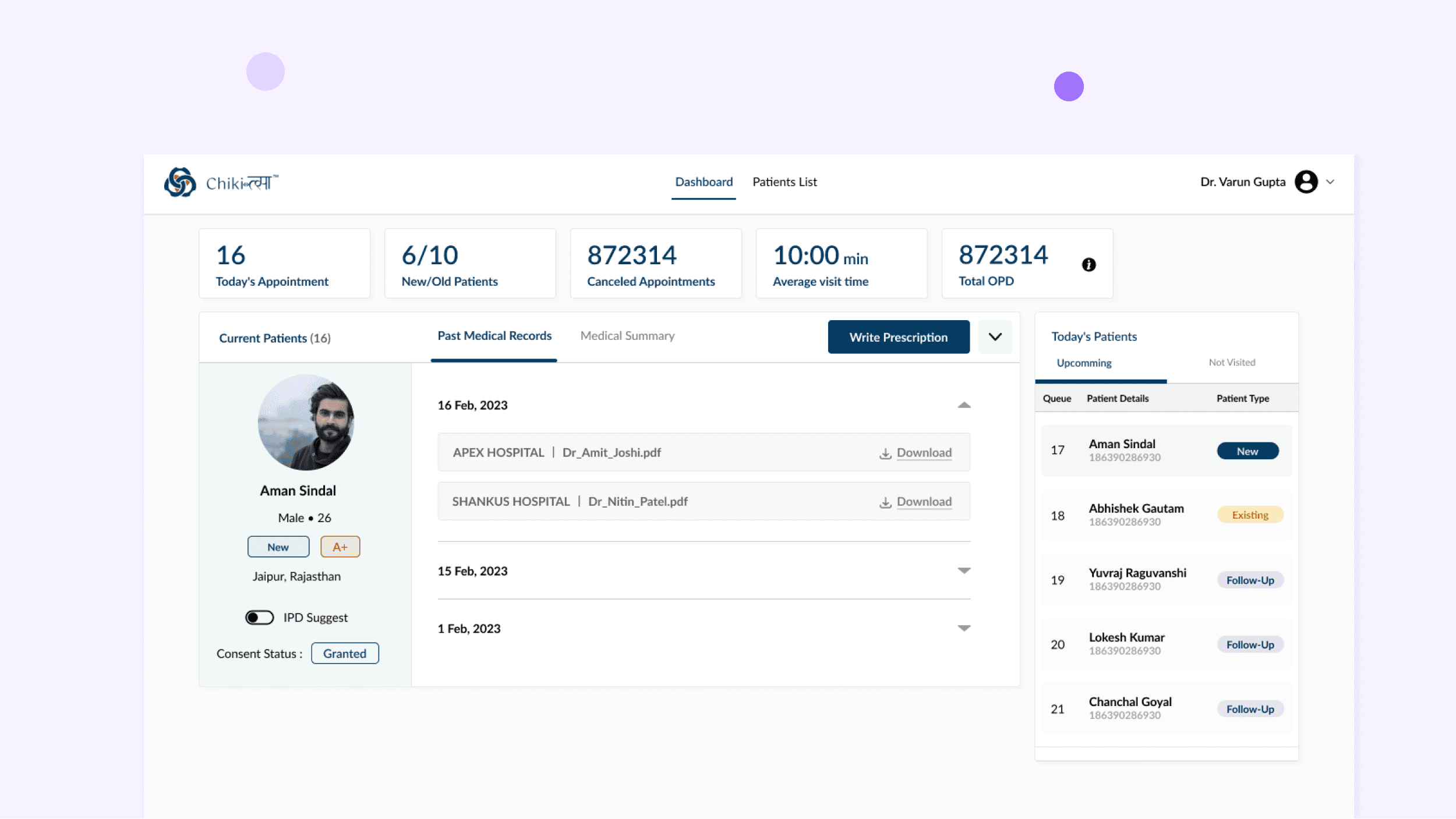
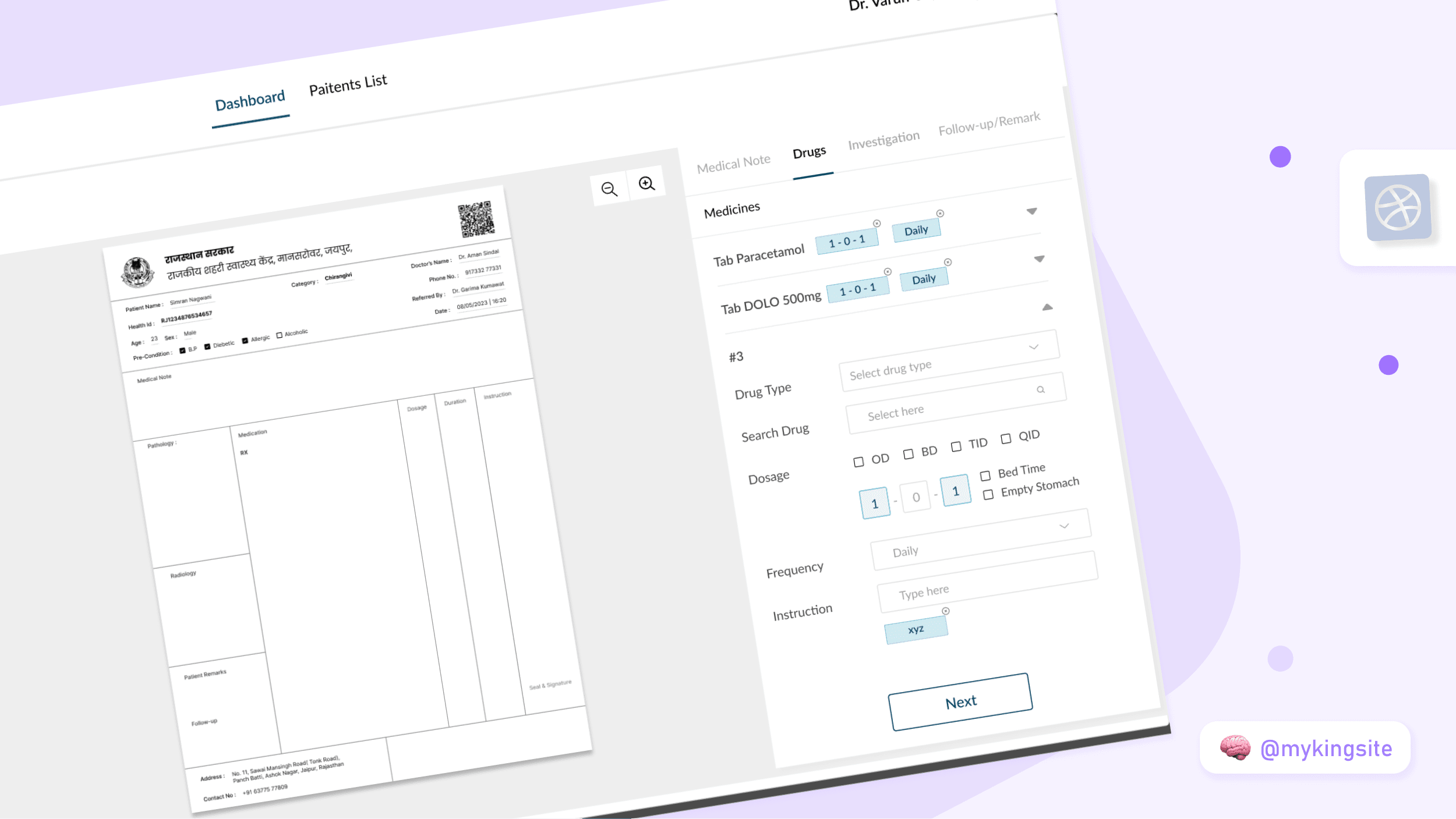
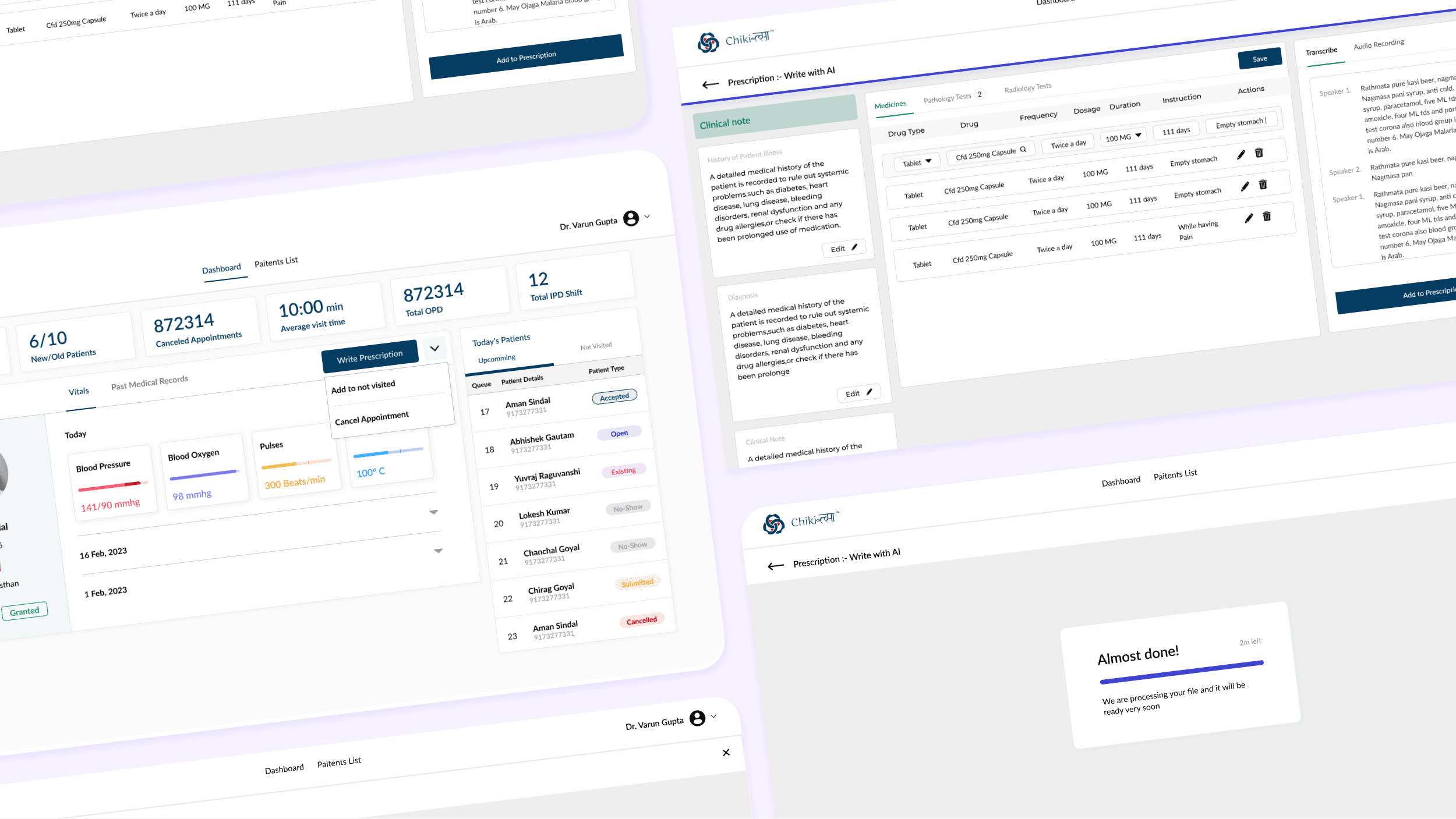
Prescription Creation: An intuitive interface for doctors to quickly create and manage prescriptions.
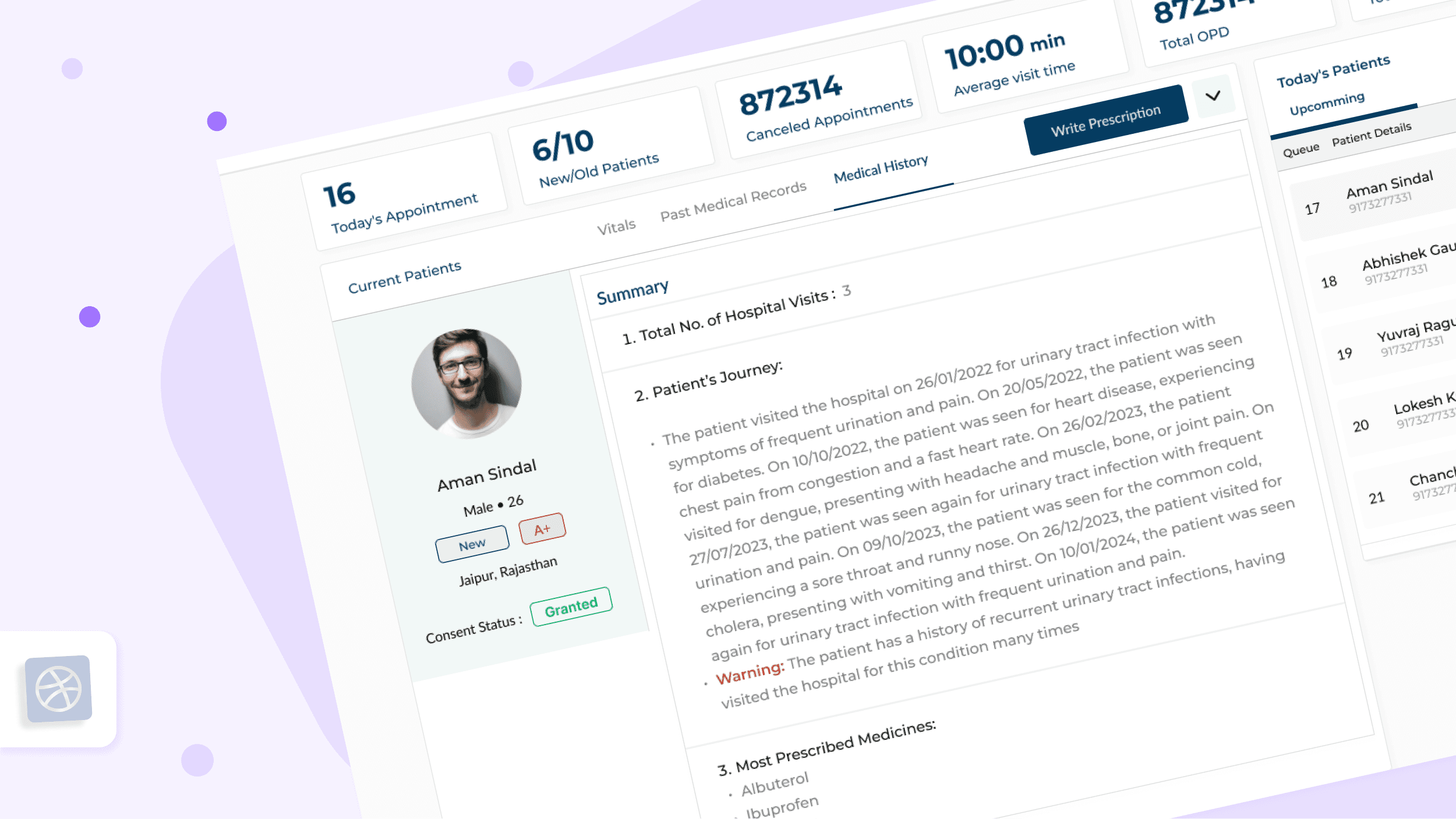
Patient Record Access: A streamlined system for accessing and updating patient records, including past medical history and treatment plans.
Real-Time Analytics: Dashboards displaying real-time data to aid in decision-making and patient care.
4. Prototyping and Testing We developed low-fidelity wireframes and interactive prototypes to test our concepts with real users. Feedback was gathered through usability testing sessions with doctors, leading to iterative improvements in the design. Key enhancements included:
Simplified navigation to ensure ease of use for doctors, reducing the time spent on administrative tasks.
Enhanced data visualization for better comprehension of patient records and analytics.
Streamlined workflows for prescription creation to ensure quick and accurate medication management.
5. Final Design and Development The final design incorporated all the feedback and insights gathered during testing. Chikitsa’s interface for doctors was designed to be intuitive and visually appealing, with a focus on:
Integration: Seamless integration of patient data for real-time monitoring and updates.
Automation: Automated workflows to handle routine tasks, such as prescription refills and patient follow-ups.
Security: Robust security measures, leveraging Blockchain to protect patient data

The solution for the SaaS landing page project involved designing an optimized landing page that effectively engaged potential customers and communicated the value proposition of the SaaS product.
User-centered design: The landing page was designed with the target audience in mind, incorporating elements that aligned with their needs, preferences, and pain points.
Clear value proposition: The value proposition of the SaaS product was clearly communicated on the landing page, highlighting the key benefits and how it solves the target audience's problems.
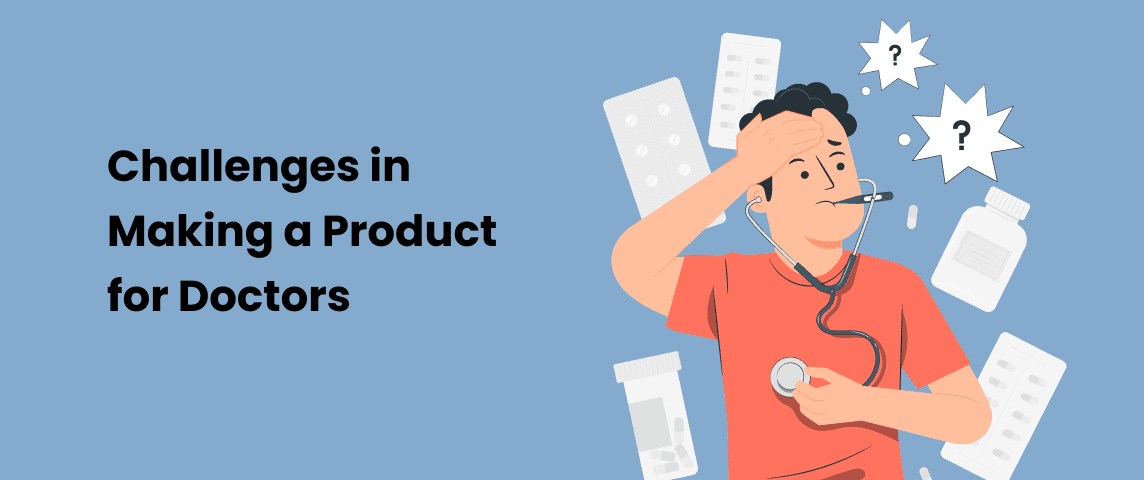
Challenges Faced by Doctors
During the research phase, several critical challenges faced by doctors were identified:
Time Constraints: Doctors often serve more than 400 patients per day, leaving them with limited time to handle administrative tasks.
Lack of Technical Knowledge: Many doctors are not well-versed in using advanced technological tools, which can hinder the adoption of digital solutions.
Preference for Pen and Paper: Despite the availability of digital tools, doctors often prefer writing prescriptions and patient notes on pen and paper, finding it quicker and more reliable.
Conclusion
Designing Chikitsa was a challenging yet rewarding experience. By leveraging the latest technologies and focusing on user-centric design, we created a solution that has the potential to transform healthcare delivery. The success of Chikitsa highlights the importance of thorough research, iterative design, and continuous feedback in developing innovative healthcare solutions. As the Product Designer, my role in creating an efficient and user-friendly interface for doctors to manage prescriptions and patient records was pivotal in achieving these outcomes.
The Design